
BACG2026 Programme
29 June – 1 July
BACG2026 will take place at in the Schuster Building at the University of Manchester.
29th June Programme | 30th June Programme | 1st July Programme

Non-session time

Plenary/Main Session

Parallel Session
29th June: Early Career Researchers Day
-
Come along and get registered for BACG2026 ahead of the day. You will need your lanyard to access sessions.
- Lunch will be provided for attendees.
-
Come along and get registered for BACG2026 ahead of the day. You will need your lanyard to access sessions.
- Lunch will be provided for attendees.
-
Chair: Agustinus Rio Sunardi
What does a career in crystals look like? Join us at BACG2026 for the Career Talks session, where speakers will reflect on their professional journeys, the discoveries that inspired them, and the diverse paths that have led them through the world of crystal growth and crystallisation.
Hear from:
-
- Hamish Mitchell
- Nausheen Basha
- What can fluid dynamics teach us about career development? More than you might think. Drawing inspiration from the discovery of hidden flow structures that transform engineering performance, this talk explores how early career researchers can uncover opportunities, build resilience, and navigate uncertainty. The session will focus on recognising the often-overlooked experiences, skills, and connections that shape successful and fulfilling careers.
- Alice McNelly
- Veronica Kras
- Alvin Jenner Walisinghe
-
-
Join us for a panel discussion with time for Q&A with our Career Talk speakers.
-
Enjoy coffee and dedicated time for networking with other attendees.
-
Chair: Luca Sironi
14:40-14:55 The Gas Blow Coating: a Novel Crystallization Method to Produce Crystals with Selected Morphology and Polymorphism onto a Surface
This session introduces gas blow-coating, a simple, low-cost and scalable crystallisation technique that uses gas laminar flow to spread drop-cast solutions into ultra-thin puddles, enabling the formation of layered two-dimensional crystals. Using glycine as a model compound, the work shows how gas pressure and concentration can be optimised to produce α-glycine nanosheets with dimensions not achievable through traditional crystallisation methods. The technique has also been applied to several other molecules, including benzamide, DL-methionine, D-mannitol, L-alanine and paracetamol, demonstrating its potential to control crystal morphology and polymorphism across different compounds.
Meet the Speaker:

Yashoda Abeykoon | PhD Student, University of Manchester
Yashoda Abeykoon is a third-year PhD researcher in the Department of Chemistry at the University of Manchester, working under the supervision of Prof. Cinzia Casiraghi. Her research focuses on the fabrication of two-dimensional (2D) crystals from a range of molecular systems, including amino acids and metal-organic frameworks (MOFs), using a novel gas-blow coating technique. Her work includes experimental design, crystal growth, and materials characterisation using AFM, Raman spectroscopy, and GIXRD to investigate the structural and morphological properties of the crystals. Yashoda completed both her Bachelor’s degree and Master’s degree in Chemistry at the University of Peradeniya, Sri Lanka.
14:55-15:10 Comparative Analysis of Antisolvent Crystallisation Routes: Assessing the Impact of Thermal and Solvent-Addition Pathways on Solubility and Kinetic Measurements
Farha Kamaal, CMAC, University of Strathclyde
This session explores antisolvent crystallisation in pharmaceutical manufacturing, focusing on how different experimental pathways affect thermodynamic and kinetic outcomes. Using the glycine–water–ethanol system, the work compares temperature cycling with isothermal solvent addition to map solubility and phase behaviour, before assessing crystallisation kinetics through cooling crystallisation and antisolvent addition. The findings show that equilibrium solubility is broadly pathway independent, but reproducibility, nucleation behaviour and variability differ between methods. Overall, the work highlights the importance of understanding process pathway and mixing effects to support more reliable crystallisation modelling, optimisation and scale-up.
15:10-15:25 Scientific Machine Learning of Multidimensional Crystallization Process Models from Experimental Data
Arthur Jessop, University of Manchester
This session explores how scientific machine learning can improve crystallisation modelling by integrating neural networks into population balance equation frameworks. Using a differentiable JAX-based solver, the work demonstrates faster simulations, more efficient model training and improved validation accuracy compared with traditional approaches. The findings show that automatic differentiation can support the training of complex hybrid models while also helping to maintain physically consistent behaviour. Overall, the work highlights the potential of differentiable hybrid modelling to make crystallisation process development faster, more flexible and more reliable.
15:25-15:40 Growth of UV-transparent BaMgF₄ single crystals.
This session focuses on the growth and optimisation of BaMgF₄ crystals for vacuum ultraviolet and mid-infrared frequency conversion applications. The work examines how crystal growth conditions, thermal expansion anisotropy and post-growth annealing influence cracking, scattering inclusions and short-wavelength transparency. By investigating the BaF₂–MgF₂ phase diagram and refining growth and annealing parameters, the study achieves improved VUV transparency in BMF crystals. Overall, the session highlights progress towards producing higher-quality BMF crystals for demanding optical applications, including continuous-wave VUV generation.
Meet the Speaker:

Gaetano G.M. Bonetti | PhD Candidate, Leibniz Institute for Crystal Growth (IKZ)
Gaetano G.M. Bonetti is a PhD Candidate at the Leibniz Institute for Crystal Growth (IKZ), Berlin. He specialised in crystal growth and crystallisation techniques during his Master’s degree in Solid State and Crystallization at the University of Rouen Normandy. He is currently working on the growth of Czochralski fluoride single crystals for non-linear optical applications, with particular emphasis on structural, thermal, and optical characterisation.
-
Enjoy coffee and dedicated time for networking with other attendees.
-
Chair: Dr. Isha Bade
16:00-16:15 Novel report on the Formation of Ibuprofen: nicotinamide Cocrystals At Ethanol-Water Interface In The Presence Of Sodium Chloride
This study presents a novel interfacial crystallisation approach to investigate the formation of ibuprofen–nicotinamide cocrystals at an ethanol–water interface and to critically assess the role of ionic strength in directing solid‑state outcomes. Notably, phase‑pure ibuprofen–nicotinamide cocrystals were successfully formed only in the presence of 10% (w/v) sodium chloride in the aqueous phase, indicating that salt‑induced interfacial effects play a decisive role in cocrystal nucleation. Furthermore, the inclusion of sodium chloride was found to significantly alter crystal morphology, suggesting a mechanistic influence on interfacial supersaturation and molecular assembly rather than passive solvent displacement.
Meet the Speaker:

Ghaida Mustafa | PhD Researcher in Pharmaceutical Technology, University of Bradford
Ghaida Mustafa is a Sudanese pharmacist and lecturer in pharmaceutics at University of Khartoum, Sudan. She is currently a PhD researcher in pharmaceutical technologies at University of Bradford with aim to develop innovative formulations from natural materials to tackle neglected diseases in Sudan. Her PhD project is funded by the prestigious Faculty For The Future (FFTF) program offered by Schlumberger Foundation. Beyond the lab, Ghaida is passionate about community-based, supporting women and STEM engaging activities and programs that turn science into impact and inspire future innovators.
16:15-16:30 Predictive Digital Design of Pharmaceutical Crystal Habit Driven by Solvent and Crystallisation Conditions
This session introduces a hybrid modelling framework for predicting and designing pharmaceutical crystal habit, combining mechanistic simulation with active learning. Using ibuprofen, paracetamol and mefenamic acid as case studies, the work shows that solvent identity is the main driver of crystal morphology, while supersaturation provides secondary control over aspect ratios and habit transitions. The findings also demonstrate that bulk solvent polarity alone is not sufficient to predict crystal habit, as morphology depends on specific interactions at the crystal-solvent interface. Overall, the session highlights a scalable, material-efficient digital design approach to support crystal habit prediction and Quality by Digital Design in pharmaceutical development.
Meet the Speaker:
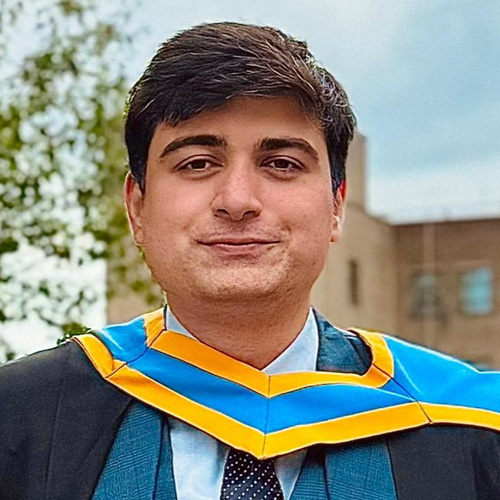
Muhammad Asfand Yar Awan | PhD Researcher, CMAC, University of Strathclyde
Asfand Yar is a doctoral researcher with the CEDAR Centre for Doctoral Training at the University of Strathclyde, based within CMAC, the Centre for Continuous Manufacturing and Advanced Crystallisation. His research asks a deceptively simple question: can the shape of a crystal be predicted before it forms? By studying how solvent choice and crystallisation conditions shape morphology, he’s working towards models that could let manufacturers engineer crystal form rather than simply observe it after the fact. His work draws together chemical engineering, crystallisation science, and process systems thinking, with a constant eye on what it takes to move crystallisation research from the lab bench to the plant floor.
16:30-16:45 Integrated Self Optimisation of Paracetamol Synthesis and Crystalisation using Machine Learning
This session explores how flow chemistry, continuous crystallisation, process control and machine learning can be combined to support continuous end-to-end pharmaceutical manufacturing. Using the continuous synthesis of paracetamol as a lab-scale case study, the work applies autonomous multi-objective optimisation to improve yield while reducing impurity formation. It also addresses key integration challenges, including operation near solubility limits, online HPLC analysis and the design of miniaturised continuous crystallisers. Overall, the session highlights a data-driven approach to linking synthesis and crystallisation for more robust continuous API manufacture.
Meet the Speaker:

Rohan Shetty | PhD Researcher, University of Leeds
Second-year PhD researcher at the University of Leeds, affiliated with the CMAC consortium in cyber-physical systems for pharmaceutical manufacturing. Research focuses on coupling reaction and crystallisation processes with self-optimising algorithms.
16:45-17:00 Population Balance Modelling for Parameter Estimation of Crystallisation Kinetics Across Scales
This session explores how population balance modelling can support more efficient and predictive crystallisation scale-up. Using lamivudine cooling crystallisation in ethanol as a case study, the work develops a workflow for estimating crystallisation kinetics from both small-scale automated experiments and larger 1 L seeded crystallisations. By combining image analysis, inline HPLC data and crystal size distribution measurements, the study generates modelling-ready datasets and compares kinetic behaviour across scales. Overall, the session highlights how small-scale crystallisation data can be used to inform model-guided scale-up and reduce the time, cost and material demands of process development.
Meet the Speaker:
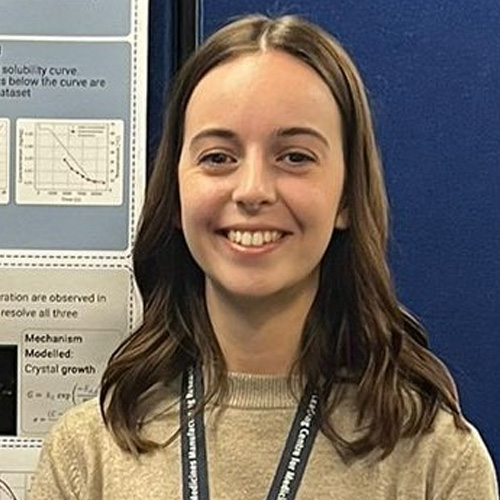
Kate McPherson | PhD Student, CMAC, University of Strathclyde
I am a second year PhD researcher as part of the CEDAR CDT at CMAC, within the University of Strathclyde. As a part of CEDAR, my research includes the application of cyber-physical systems within pharmaceutical manufacturing, focusing on the scale-up of crystallisation through digital tools, such as population balance modelling. By developing a modelling workflow to scale crystallisation from the 5 mL to 1 L+ scales, this project aims to create a more efficient scale-up process.
-
Join us at Christies Bistro for the BACG2026 Welcome Reception.
30th June: Main Conference (Day 1)
-
Come along and get registered for BACG2026 ahead of the day. You will need your lanyard to access sessions.
-
Understanding, Modelling and Scale Up of Nucleation
Chair: Dr. Grahame Wollam
Meet the Speaker:
 Jan Sefcik | Professor, University of Strathclyde
Jan Sefcik obtained his first degree in Chemical Engineering from Slovak Technical University in Bratislava, followed by PhD in Chemical Engineering from University of Minnesota in Minneapolis. After working as Postdoctoral Scholar at Caltech in Pasadena and Senior Researcher at ETH Zurich, he joined University of Strathclyde in Glasgow in 2005, where he is now Professor in the Department of Chemical and Process Engineering. His research expertise is in particle and colloid engineering, crystallisation and nucleation. His research has been supported by a wide range of governmental funding bodies, charities and industry, and published in over 140 papers in refereed international journals. He is a member of the Presidium of the Slovak Research and Development Agency, the executive committee of the British Association of Crystal Growth, and the Working Party on Crystallisation of the European Federation of Chemical Engineering.
-
Enjoy coffee and dedicated time for networking with other attendees.
-
Chair: Dr. Isha Bade
10:30-11:00 Molecular Crystals in Animal Optics and Microalgae Metabolism
High refractive index molecular crystals are used to produce many spectacular optical phenomena in animal coloration and vision (Indri, Angew. Chem., 2026). By regulating the morphologies and assemblies of these crystals, organisms exquisitely tune the optical response of the system, but little is known about how this is achieved. Here, we present recent findings on the formation and optical functions of biogenic organic crystals, focusing on guanine, the most widespread molecular crystal in biology (Pinsk, JACS 2022, Indri, JACS 2025). By following guanine formation in developing model animals, we report a crystallization mechanism for guanine (Wagner, Adv. Mater., 2022) and show how crystal nucleation and growth are directed by macromolecular templates inside crystal-forming ‘iridosome’ organelles (Wagner, Nat. Commun., 2023). Secondly, we explore the optical properties of biogenic isoxanthopterin crystals which possess an extreme refractive index (n=1.96). The isoxanthopterin crystals are arranged in nanoparticles, constructed from a shell of plate-like isoxanthopterin crystals arranged in concentric lamellae around an aqueous core. We show how the size, ordering and molecular orientation of these particles are controlled to enhance the optical properties of camouflage (Shavit, Science, 2023) and signaling (Lemcoff, Nat. Photonics, 2023) reflectors in decapod crustaceans and insects (Lemcoff, PNAS 2026). Finally, we present recent work which harnesses biological cells as factories for producing biological and bio-inspired molecular crystals (Wagner et. al., Nat. Biotech., 2026).
Meet the Speaker:
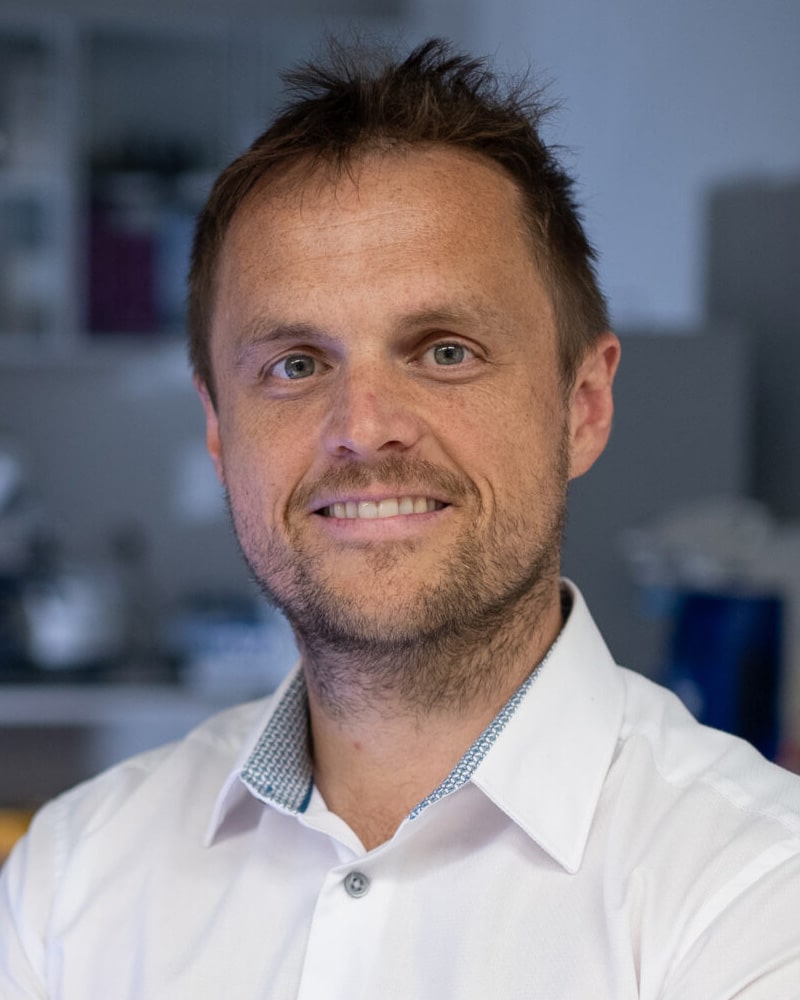
Benjamin Palmer | Professor, University of Bristol (UK)/Ben-Gurion University of the Negev (Israel)
Ben received his PhD from Cardiff University with Prof. Kenneth Harris before under-taking postdoctoral research with Profs. Lia Addadiand Steve Weiner at the Weizmann Institute, exploring biogenic molecular crystals. He started his independent group in 2019 as the Nahum Guzik Assistant Professor in Ben-Gurion University. He is currently an Associate Professor in Chemistry at the University of Bristol and a Full Professor at BGU. His groups explore organic biomineralization and bio-inspired materials. He is the recipient of the 2024 Israeli Chemical Society Tenne Prize and the 2025 Blavatnik Award.
11:00-11:20 User-friendly, model-guided experimental design for automated crystallisation screening
This session presents the Crystallisation Screening DataFactory (CSDF), a Quality by Digital Design platform that combines predictive modelling, automation and data-driven decision making to streamline crystallisation screening. Initially focused on solvent screening for solubility, the system uses model predictions to design, schedule and refine experiments automatically as new data become available. Through an integrated dashboard, researchers can track experiments, visualise results and compare solvent performance while maintaining a clear audit trail of decisions. Overall, the work demonstrates how digital and automated workflows can accelerate crystallisation development, reduce experimental burden and make more efficient use of limited materials.
Meet the Speaker:

Hikaru Jolliffe | Modelling and Simulation Engineer, CMAC
Hikaru is part of the MediForge Crystallisation Screening DataFactory (CSDF) team – a project to develop a system for autonomously optimised experiments for crystallisation parameter generation. With a background in modelling, Hikaru is focussing on the fundamental process models for crystallisation as well as the numerical methods and algorithms required for automated experiment optimisation. Hikaru also has research interests in Loss-in-Weight feeder modelling, characterising the extent of mixing in batch blenders, and tablet compaction.
11:20-11.40 The Cambridge Structural Database meets the Manufacturing Classification System
This session explores how particle informatics can support pharmaceutical development by linking crystal structure, particle properties and manufacturing route selection. Using a curated set of commercial drug products, the work applies modelling tools to predict particle shape, surface chemistry and roughness, then maps these descriptors against Manufacturing Classification System categories. The findings suggest that specific particle attributes may help indicate suitable manufacturing approaches, such as wet granulation, dry granulation or direct compression. Overall, the session highlights how structural data and particle analytics could support faster, more informed development and manufacture of pharmaceutical products.
Meet the Speaker:

Pietro Sacchi | Research and Application Scientist, The Cambridge Crystallographic Data Centre
Pietro is a scientist at CCDC, where he works on crystal morphology prediction and calculation of particle properties. His scientific interests are crystal growth, polymorphism, nucleation, surface-solvent interactions and other problems involving the use of crystal structures. He completed his PhD at the University of Manchester and he is a Research Associate at Clare College Cambridge.
11:40-12:00 Milli-fluidic platform for in situ measurement of facet-specific crystal growth rates
This session presents a millifluidic platform for measuring facet-specific crystal growth rates under controlled, real-world crystallisation conditions. By enabling in situ rotational imaging and precise control of temperature, solvent and concentration, the system allows crystal growth to be observed from multiple perspectives while maintaining or rapidly changing solute concentration. The work reports growth rate data for aspirin in isopropanol and ethanol, as well as glycine and copper sulfate in aqueous systems. Overall, the session highlights a practical approach to generating the detailed growth-rate data needed to improve crystal morphology prediction and downstream process understanding.
Meet the Speakers:

Zhao Jiang | Postdoctoral Research Associate, Durham University
Zhao Jiang is a postdoctoral researcher at Durham University. She completed her PhD in Chemistry at the University of Leeds, where she developed expertise in multimodal crystallisation imaging — including time-resolved ptychographic nano-X-ray computed tomography and X-ray diffraction computed tomography. Her research spans the full crystallisation process, from nucleation to crystal growth, and across multiple length scales from nanoscale structural evolution to macroscopic crystal morphology. She has presented her work at international conferences and published in the field of materials chemistry.
Dr Jennifer Maunder | DigiCCAMMS Project
Dr Jenny Maunder is a Lecturer at Durham University. Her research background is centred on the crystal nucleation and growth of polymorphic materials in confined phases. Although day-to-day she now focuses on chemistry education, she has never left crystallisation behind — and currently collaborates with Aurora, Zhao, and Jan on the DigiCCAMMS project, which will be introduced in the following talk..
-
Chair: Prof. Huaiyu Yang
10:30-11:00 Fitness for Purpose Population Balance Modeling for Robust Design Decisions in Industrial Crystallization
This session examines how population balance models can be used more practically for industrial crystallisation process design. Instead of judging models solely by predictive accuracy, the work evaluates competing PBM structures by how reliably they support robust process decisions under uncertainty. Using laboratory and production-scale data, the study compares model structures, maps feasible operating regions and explores optimisation strategies, showing that many design conclusions remain stable even when detailed predictions differ. Overall, the session highlights a fitness-for-purpose approach to PBM use, where the value of a model lies in the reliability of the process decisions it enables rather than achieving a perfect fit.
Meet the Speaker:
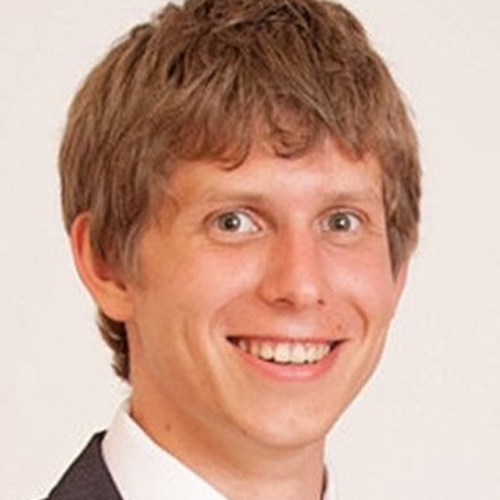
Botond Szilágyi | Associate Professor, Budapest University of Technology and Economics
Botond Szilágyi is an Associate Professor at the Budapest University of Technology and Economics, where he works on crystallization process modeling, monitoring, and control. His research combines population balance modeling, process analytical technology, and uncertainty-aware simulation to support the design of more robust crystallization processes. He is particularly interested in bridging mechanistic understanding with practical industrial decision-making in pharmaceutical and fine-chemical process development.
11.00-11.20 Multivariate Optimization and Inverse Design of Multiphase Reactive Systems via Deep Learning and 3D CFD-PBM Simulations
This session presents a hybrid CFD-PBM and deep learning framework for modelling magnesium hydroxide precipitation and identifying the kinetic parameters that control particle size distribution. Using experimental data from T- and Y-mixer reactors, the work trains a neural network on CFD-PBM simulations to predict kinetic parameters directly from particle dimensions, avoiding repeated iterative optimisation. The resulting model captures the effects of mixing, local supersaturation, nucleation, growth and aggregation across reactor configurations. Overall, the session highlights a scalable inverse design approach for reactive multiphase systems, with potential applications in digital twins, process control and reactor design.
Meet the Speaker:

Antonello Raponi | Assistant Professor, Mines Saint Etienne
Dr Antonello Raponi is a Maître de conférences at École des Mines de Saint-Étienne, France. His research focuses on reactive crystallisation and multiphase process modelling, combining CFD, population balance models, and artificial intelligence to support process understanding, optimisation, and scale-up. Before joining Mines Saint-Étienne, he was a postdoctoral researcher at Purdue University and obtained his PhD in Chemical Engineering from Politecnico di Torino. His recent work includes CFD–PBM modelling, kinetic parameter identification, deep-learning-assisted optimisation, and compartmental modelling for crystallisation processes.
11.20-11.40 A Rational Machine Learning-Driven Approach for the Design of Novel Crystalline Fat blends
This session explores a data-driven approach to developing cocoa butter equivalents for chocolate-based products. By applying fractionation methods to fats such as shea butter, illipe butter and tropical fat blends, the work identifies lipid fractions with crystallisation, melting and structural properties similar to cocoa butter. Advanced analytical techniques and machine learning models are used to assess and predict similarity, with shea butter fractions showing the strongest match. Overall, the session highlights how experimental characterisation and predictive modelling can support the design of alternative lipid systems that maintain key chocolate qualities such as texture, snap and melting behaviour.
Meet the Speaker:
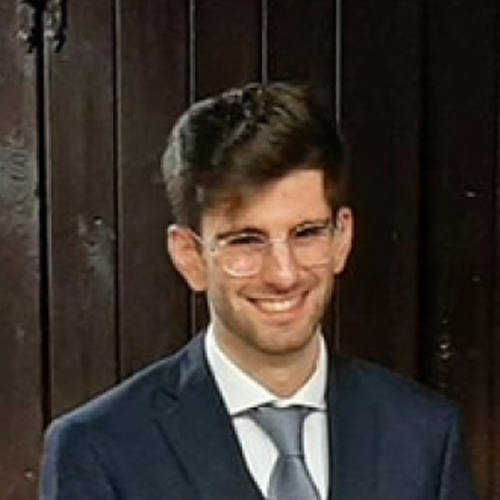
Danilo Candela | PhD Student, Politecnico di Torino
Danilo Candela is a Chemical and Food Engineer and a PhD Student at Politecnico di Torino. His research focuses on the thermodynamics and crystallization kinetics of structured lipid systems, with a specific emphasis on fractionation and oleogelation processes, as well as polymorphic phase transitions. His work applies process simulation modeling, data-driven machine learning approaches, alongside Life Cycle Assessment (LCA) methodologies, to guide industrial scale-up toward sustainable solutions.
11.40-12.00 A CIF-based data standard for crystal structure prediction methods: The CSP Dictionary
This session introduces a new CIF dictionary developed by the CCDC to support data standards for Crystal Structure Prediction workflows. The dictionary provides a detailed framework for describing predicted crystal structures, including input systems, generation methods, ranking approaches, optimisation steps and final results. By standardising how complex CSP data and metadata are recorded, the work aims to improve searchability, reproducibility and reuse, while supporting visualisation and machine learning applications. Overall, the session highlights an important step towards more consistent and accessible handling of large-scale CSP outputs.
Meet the Speaker:

Nicholas Francia | Researcher, The Cambridge Crystallographic Data Centre
I am a Computational Chemist specialised in the solid-state chemistry of molecular crystals. As a Research and Application Scientist at the Cambridge Crystallographic Data Centre (CCDC), I develop computational approaches to analyse crystalline materials and understand solid form landscapes. My core expertise lies in Small Molecules Crystal Structure Prediction (CSP) and pharmaceutical solid form de-risking. During my PhD at University College London, I developed a high-throughput molecular dynamics workflow to tackle the CSP overprediction problem, distinguishing truly stable structures at room conditions from 0 K computational artefacts.
-
Chair: Prof. Matteo Salavalaglio
10:30-11:00 Temperature-cycling induced deracemization of racemic compounds – if and when it works
Owing to the often markedly different impact of enantiomers on biological systems, pathways towards enantiomerically pure substances are important from the perspective of the origin of life, as well as in the industrial production of chiral molecules. Conglomerate-forming enantiomers, i.e., systems where an equal mixture of enantiomers crystallizes into a physical mixture of individually enantiomerically pure crystals, can be purified well via crystallization. One such pathway is the combination of temperature-cycles, triggering growth and dissolution of crystals, and a racemization reaction in solution (temperature-cycling induced deracemization; TCID). Unfortunately, only about 5-10% of chiral compounds crystallize as conglomerates – the majority forms racemic compounds where each crystal contains an equal amount of both enantiomers.
This contribution will show that TCID – under some circumstances – can be used to deracemize racemic compounds, thereby potentially significantly widening the techniques applicability to a larger cohort of chiral substances.
Meet the Speaker:

Thomas Vetter | Professor, Institute of Pharma and Biotechnology, University of Applied Sciences and Arts Northwestern Switzerland (FHNW)
Thomas Vetter is a Professor in the Institute of Pharma and Biotechnology at the University of Applied Sciences and Arts Northwestern Switzerland (FHNW) since January 2026. He leads a research group in the field of particle engineering, with a focus on crystallization, including crystal chemistry and isolation, as well as spray drying and freeze drying. In his work, process analytical technologies and mathematical modelling are applied at both the molecular and process engineering levels.
Before joining FHNW, he worked both at Lundbeck, Denmark, as Director of Solid Form Science and at the University of Manchester as lecturer and senior lecturer. His research has been recognized with a Lilly Innovation Fellowship Award (2012), the tri-annual EFCE Excellence Award in Crystallization (2014) and a Royal Academy of Engineering Research Fellowship (2016-2021).11.00-11.20 Crystallisation of therapeutic peptides: a case study in GLP-1 analogues
This session explores crystallisation as a potential alternative to chromatography for purifying GLP-1 analogue peptides, where current downstream processes can be costly and solvent-intensive. The work demonstrates successful crystallisation of a previously non-crystallised acylated GLP-1/GIP analogue peptide, using high-throughput screening and experimental design to identify and optimise suitable conditions. It also reports the first crystal structure for an acylated GLP-1 analogue and compares crystallisation behaviour across related therapeutic peptides, including semaglutide and liraglutide. Overall, the session highlights how crystallisation, supported by molecular modelling, could open new routes for more efficient purification of complex peptide therapeutics.
Meet the Speaker/s:

Hamish Mitchell | EPSRC Research Fellow, University College London
Hamish obtained his undergraduate MEng degree in Chemical Engineering from Imperial College London in 2020. Following from this, he obtained his PhD in Chemical Engineering from Imperial College London in 2025, focusing on the crystallisation of GLP-1 analogue peptides, as part of an EPSRC Prosperity Partnership between Imperial, UCL, QMUL, and Eli Lilly and Company. Following his PhD, Hamish was awarded an EPSRC Doctoral Prize Fellowship in April 2025 and joined the Department of Chemical Engineering at UCL as a research fellow. His current research focuses on the crystallisation of a range of therapeutic peptides for the development of more efficient and sustainable purification processes.
Authors: Emily Guinn | Industrial Scientist, Eli Lilly and Company & Jerry Heng | Academic, Imperial College London
11.20-11.40 Crystallization of nickel (II) methanesulfonate salts for battery production
This session explores crystallisation methods for producing high-purity nickel methanesulfonate salts as potential precursors for Li-NMC battery materials. Set against the need for more sustainable battery recycling and critical metal recovery, the work investigates cooling crystallisation and eutectic freeze crystallisation using methanesulfonic acid, a greener reagent with potential in circular hydrometallurgy. The study examines how impurities, cooling rates and seed amounts affect crystal purity and impurity incorporation. Overall, the session highlights crystallisation as a promising route for developing sustainable, high-purity battery precursor materials.
Meet the Speaker:

Nahla Osmanbegovic | Postdoc, KTH Royal Institute of Technology
Nahla Osmanbegovic obtained PhD degree from Aalto University (Finland) in 2023. The focus of her research was application of freeze crystallization and cooling crystallization as concentration and separation methods in downstream processing in various bio-refinery concepts (pyrolysis, ABE fermentation, production of cellulose-based textiles). She is a postdoc researcher at KTH Royal Institute of Technology – Division of Resource Recovery(Sweden). Her current research is in the field of hydrometallurgy and production of metal precursors for battery cathode materials based on various crystallization methods.
11:40-12:00 Crystallisation behaviour of bicarbonate salts in carbon capture solvents
This session investigates bicarbonate crystallisation in carboxylate-based solvent systems for post-combustion carbon capture. The work examines how metal carboxylate salts, organic solvents and CO₂ absorption conditions influence potassium bicarbonate nucleation, growth, particle properties and crystal morphology. By comparing batch cooling crystallisation with reactive crystallisation under CO₂ absorption, the study shows that additive structure and solvent environment can significantly promote or inhibit crystallisation behaviour. Overall, the session highlights how understanding bicarbonate crystallisation could support the design and scale-up of lower-energy carbon capture processes.
Meet the Speaker:

Rose McCarthy | PhD Student, University of Leeds
Rose is a third-year PhD researcher at the University of Leeds studying crystallisation processes in novel solvents for carbon dioxide capture, with a particular focus on how different solvent components influence nucleation and crystal growth behaviour. Before starting her PhD, Rose spent five years working in industry, as a Senior Chemist at C-Capture Ltd, developing the next generation carbon capture solvents her PhD research focuses on.
-
Enjoy lunch and time for networking with other attendees ahead of the afternoon sessions.
Plus don’t miss the opportunity to view and discuss posters showcasing the latest advances, research findings and developments in crystallisation science and engineering.
-
Chair: Prof. Elena Simone
Computational solubility prediction with SAFT γ Mie: benchmarking performance and current directions
The accurate prediction of the thermophysical properties of drugs and drug-like compounds is essential for pharmaceutical discovery, formulation, and manufacturing, where experimental measurements are often costly, time-consuming, or impractical. Thermodynamic models provide a route to such predictions, but their relative reliability for complex pharmaceutical systems remains uncertain. In this talk, I present the capability of the SAFT γ Mie group contribution equation of state for predictive solubility calculations across a diverse set of systems, including active pharmaceutical ingredients, amino acids, and peptides in a wide range of solvents. The approach enables fully predictive calculations based on molecular structure, requiring only melting properties and, where relevant, acid–base equilibria. To assess its performance, a systematic benchmarking study is carried out against established COSMO-based approaches. Overall, SAFT γ Mie is found to provide robust and accurate predictions, particularly for strongly associating systems, where conventional methods may exhibit large deviations. Key developments are highlighted, including the treatment of intramolecular hydrogen bonding and extensions to pH-dependent and charged systems. These results demonstrate the potential of SAFT γ Mie as a predictive tool for solubility, while also highlighting the complementary role of COSMO-based methods for screening applications. Current directions focus on expanding parameter coverage, accelerating COSMO calculations, and improving predictive capability for increasingly complex systems.
Meet the Speaker:
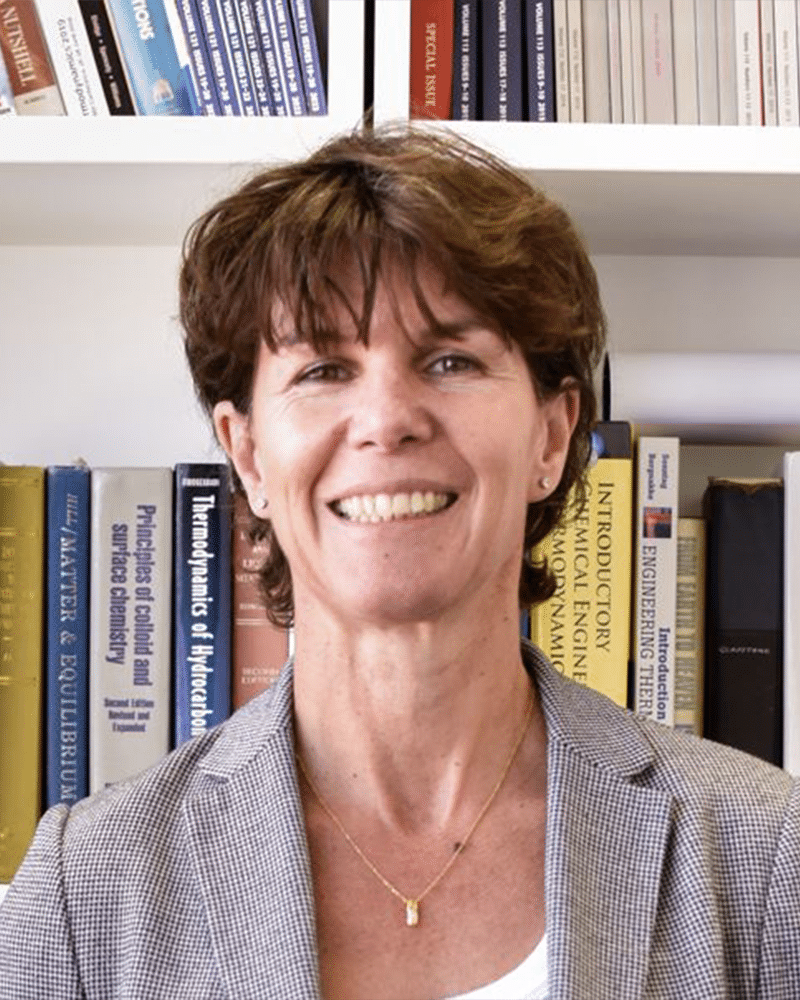
Amparo Galindo | Professor of Physical Chemistry (Department of Chemical Engineering) at Imperial College London
Amparo Galindo is a Professor of Physical Chemistry in the Department of Chemical Engineering at Imperial. She received a bachelor degree in Chemistry from the University Complutense of Madrid, and a PhD in physical chemistry from the University of Sheffield. She joined Imperial College as an EPSRC Advanced Fellow in 2000, continuing in Imperial as Lecturer, Reader, and then Professor. She works developing statistical mechanical approaches for complex fluids, delivering molecular theories suitable for solvent and process design. Her group works at the forefront of the development of SAFT methods for property prediction. She was made a Lilly/RAEng Chair in Pharmaceutical Molecular Systems in 2018, and awarded the 2023 Guggenheim Medal of the Institution of Chemical Engineers for her work in thermodynamics of complex fluids. She is a fellow of the Royal Society of Chemistry and the current Editor in Chief of the journal Fluid Phase Equilibria.
-
Chair: Dr. Botond Szilagyi
14:15-14:35 Real-time structural analysis of pharmaceutical crystallisation in segmented flow reactors using in situ powder X-ray diffraction.
This session explores the use of continuous segmented flow crystallisation with in situ powder X-ray diffraction to monitor phase evolution and polymorphic behaviour in real time. Using the KRAIC platform, the work demonstrates how tri-segmented flow and controlled temperature cycling can create reproducible crystallisation conditions while enabling dissolution and recrystallisation pathways to be observed directly. Developments including the use of FEP tubing improve robustness and allow sustained PXRD monitoring during continuous operation. Overall, the session highlights a practical platform for real-time structural analysis, high-throughput screening and improved understanding of crystallisation pathways in pharmaceutical systems.
Meet the Speaker:

Scarlett Abrams | PhD Student, University of Nottingham / Diamond Light Source
Scarlett Abrams is a PhD Student at the University of Nottingham, working in collaboration with Diamond Light Source. Her research focuses on optimising pharmaceutical solid forms through flow crystallisation, combining in situ powder X-ray diffraction at beamline I11 with inline visual analysis to develop robust real-time crystallisation monitoring workflows. Her work sits at the intersection of flow chemistry, pharmaceutical crystallisation, and synchrotron-based characterisation, with a particular interest in developing the instrumentation and data processing pipelines needed to make inline analysis practical for pharmaceutical applications.
14:35-14:55 Scale-Up of an In-Situ Seeding Methodology for Model-Free Estimation of Secondary Nucleation Kinetics
This session presents a scalable, model-free approach for estimating secondary nucleation kinetics from suspended crystal populations. Using glycine suspensions, the work develops an in-situ seeding method based on controlled partial dissolution, scaling it from small vials to a larger stirred vessel while maintaining comparable shear conditions. In-situ imaging and scale-dependent calibration are used to characterise seed populations, estimate crystal number, surface area and mass, and relate these to secondary nucleation rates. Overall, the session highlights a practical framework for understanding how seed surface area, supersaturation and mass loading influence secondary nucleation across crystallisation scales.
Meet the Speakers:
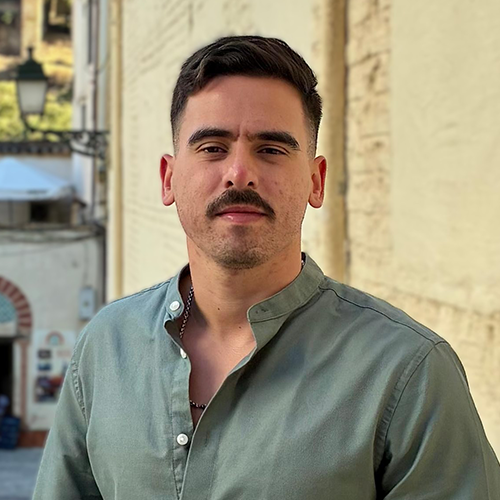
Lucas Nahas | PhD student, University of Strathclyde
Lucas Nahas is a final-year PhD student in Chemical Engineering at the University of Strathclyde, working on a GSK-funded research project focused on the development of in-situ methodologies to measure nucleation kinetics across scales. His research focuses on in-situ monitoring of crystallisation processes, with a particular emphasis on the role of fluid shear in secondary nucleation. His work combines process analytical technologies (PAT), imaging-based crystallisation monitoring, and hydrodynamic scale-up in pharmaceutical crystallisation systems.
Authors: Jan Sefcik | Professor, University of Strathclyde, Mark Haw | Academic, University of Strathclyde & Mei Lee | Industrial Scientist, GlaxoSmithKline
14:55-15:15 Biomineralization Directed by Protein Self Assembly States
This session explores how protein–salt interactions influence inorganic crystallisation processes, using lithium carbonate and calcium oxalate as model systems. The work shows that proteins can either inhibit or promote nucleation depending on supersaturation, with effects linked to ion chelation, protein aggregation and the creation of heterogeneous nucleation sites. Proteins also influence crystal agglomeration, morphology and composite formation, including protein–salt crystal structures observed through fluorescence microscopy. Overall, the session highlights how protein self-assembly can regulate crystallisation behaviour, with relevance for biomineralisation, biopharmaceutical purification and advanced materials design.
Meet the Speaker:

Huaiyu Yang | Senior Lecturer, Loughborough University
Dr Huaiyu Yang is currently a Senior Lecturer at Loughborough University. Before joining Loughborough, he conducted research in nucleation theory and pharmaceutical crystallisation at Imperial College London, the University of Strathclyde, and KTH Royal Institute of Technology. His current research focuses on developing template-based biocrystallisation technologies, and innovative cell platforms for crystallisation and biomanufacturing, and scale up and optimisation of protein crystallisation with PAT tools. Dr Yang has published more than 70 papers and serves as a Youth Editor for Particuology and Green Chemical Engineering, and active reviews for a wide range of journals. Dr Yang is also enthusiastic about outreach and public engagement activities, including talk in Pint of Science and hosting high school students in BioCrystallisation Lab.
15:15-15:35 From Weeks to Minutes: Mapping Solvate Phase Boundaries with Mechanochemistry
This session introduces Controlled Solvent-Activity Liquid-Assisted Grinding, a rapid mechanochemical method for determining the stability boundaries of crystalline solvates and hydrates. Using small amounts of API, the approach varies solvent activity in defined mixtures to identify the conditions under which neat, hydrated, solvated or competing solvate forms are stable. The work shows that CSA-LAG can reproduce traditional slurry boundaries while greatly reducing material use and experimental time. Overall, the session highlights a thermodynamically guided workflow for solvate screening, helping support more rational solid form selection and crystallisation process design.
Meet the Speaker:
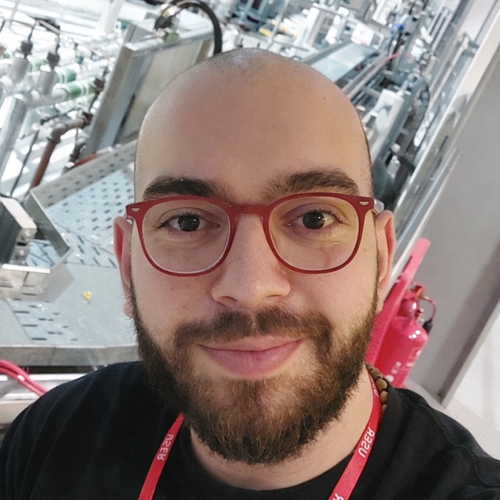
Fragkoulis Theodosiou | PhD Candidate, Durham University
Fragkoulis (Frank) Theodosiou is a final-year PhD candidate in the DuMoC2 group at Durham University, led by Prof Aurora J. Cruz-Cabeza. His research, sponsored by Pfizer, focuses on pharmaceutical solid-state chemistry, with particular emphasis on understanding, predicting and modelling hydrate formation from both thermodynamic and kinetic perspectives. He holds a MEng in Chemical Engineering from the University of Manchester and an eMBA from the London School of Economics. Frank is an active member of the crystallisation community serving as the chair of the Young Researcher Committee and a Co-opted Committee member of the British Association for Crystal Growth.
-
Chair: Dr. Pietro Sacchi
14:15-14:35 Nucleation Kinetics Reveals a Distinct Biological Function Space of Biomolecular Condensates
This session explores how biomolecular condensates nucleate and dissolve, and how these processes shape their size, assembly and function in living cells. Using microfluidics, the work measures both the formation of dense liquid phases from dilute solutions and the reverse formation of dilute voids within condensates. The findings show that both processes are governed by interfacial tension between the dense and dilute phases, suggesting a shared single-step nucleation mechanism. Overall, the session highlights the distinct physical principles that differentiate biomolecular condensates from solid crystals and aggregates, helping explain their unique biological behaviour.
Meet the Speaker:

Leif-Thore Deck | Research Fellow, University of Cambridge
Leif-Thore Deck is a postdoctoral research fellow in Physical Chemistry at the University of Cambridge where he studies the thermodynamics and kinetics of biomolecular phase transitions using mechanistic modeling and microfluidic experiments. He obtained his doctorate in Process Engineering at ETH Zurich for research on the commercial-scale freezing process of vaccines in collaboration with Johnson & Johnson, and on the crystallization of small molecules.
14:35-14:55 From Plastic to Elastic Deformation: Dependence of Mechanical Behavior of Organic Crystals on Halogen Bonding Interactions
This session explores how crystal engineering can be used to tune the mechanical behaviour of organic molecular crystals, including plasticity, brittleness and elasticity. Using substituted benzoic acid crystals as model systems, the work examines how intermolecular interactions, packing arrangements and slip planes influence deformation under applied force. The study shows that 3-bromo-5-chlorobenzoic acid and benzoic acid exhibit plastic bending through the gliding of molecular layers, while 5-bromo-2-chlorobenzoic acid shows elastic or brittle behaviour depending on the crystal face. Overall, the session highlights how halogen substitution and molecular packing can influence mechanical properties, with relevance for flexible materials and pharmaceutical crystal design.
Meet the Speaker:
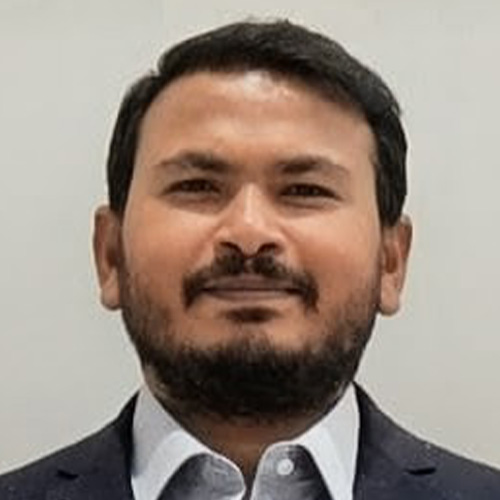
Deepak Rajput | PhD Research Scholar, Indian Institute of Technology Gandhinagar
Deepak Rajput is a PhD research scholar working in the field of crystal engineering and solid-state chemistry. He completed his postgraduate studies in Chemical Engineering and is currently investigating the mechanical behaviour of organic molecular crystals using crystal engineering approaches. His research focuses on structure–property relationships in halogenated benzoic acid crystals, particularly plastic, elastic, and brittle crystals. His work involves crystal growth and characterization using single-crystal X-ray diffraction, thermal analysis, hot-stage microscopy, SEM, AFM, nanoindentation, and intermolecular interaction energy calculations using CrystalExplorer. His research aims to understand and improve the flexibility and mechanical performance of molecular crystals for pharmaceutical and flexible material application.
14.55-15.15 Mechanism guided crystal growth: from molecular mechanisms to mature crystals with designed morphologies
This session explores how mechanistic understanding of crystal growth can be used to control crystal form, morphology and function in organic materials. Using theophylline as a model system, the work shows how classical growth pathways can be directed to achieve polymorph selectivity, control crystal dimensions and produce functional sheet-like crystals with optical potential. The study also applies growth-mechanism insights to hexanitrostilbene, developing a surfactant-free crystallisation strategy to produce dense, spherical particles with improved morphological uniformity. Overall, the session highlights how understanding nucleation and growth pathways can support more predictive crystal engineering for functional and high-performance materials.
Meet the Speaker:
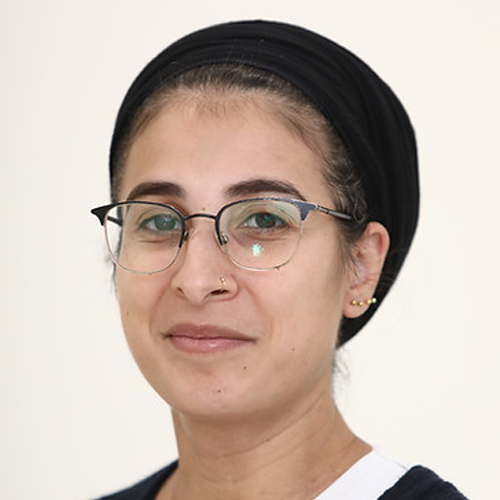
Angelica Niazov-Elkan | Senior Lecturer (Asst. Prof.), Tel Aviv University
Angelica Elkan is a Senior Lecturer in Materials Science and Engineering at Tel Aviv University and head of the Elkan Laboratory for Organic Solid State. She holds a Ph.D. from the Weizmann Institute of Science and completed postdoctoral fellowships at Weizmann and the University of Houston. A recipient of multiple prestigious awards, she is also a member of the Zuckerman STEM Leadership Faculty Program.
15:15-15:35 Using a Molecular Dynamics Seeding Approach to Determine Critical Nucleus Size and Concentration for Crystal Nucleation
This session explores how molecular dynamics simulations can be used to study primary crystal nucleation, with a focus on urea crystallisation. The work applies a seeding method to avoid waiting for rare nucleation events, instead observing whether nanoscale crystal seeds grow or dissolve in solutions of different concentrations. The findings show how critical nucleus size and solution concentration are related, and suggest that surface energy at the nanoscale depends on both crystal size and concentration. Overall, the session highlights how molecular simulation can provide deeper insight into nucleation mechanisms and support the development of more realistic crystallisation models, with future work extending the approach to heterogeneous nucleation at interfaces.
Meet the Speaker:

Mae Macleod | PhD student, University Of Strathclyde
Mae is a second-year PhD student within the Department of Chemical and Process Engineering at the University of Strathclyde, where she also completed her MSci in applied chemistry and chemical engineering. Her research focuses on applying computational methods to better understand the role of interfacial effects in heterogeneous crystal nucleation.
-
Chair: Dr. Antonello Raponi
14:15-14:35 Exploring Automated Optimisation of Batch Cooling Crystallisation Trajectories Using Neural ODE-Based MPC
This session explores how model predictive control can be used to guide crystallisation processes and improve kinetic understanding. The work presents a framework using neural ordinary differential equation models to predict and control the full chord length distribution, rather than focusing only on simpler product quality measures. Applied to paracetamol in ethanol and an industrially relevant active ingredient, the approach uses online FBRM, FTIR and temperature measurements to link crystal size distribution targets with supersaturation and temperature control. Overall, the session highlights how this MPC framework can identify favourable operating routes, respond to disturbances and support more targeted crystallisation process development.
Meet the Speaker:

Joseph McHale | PhD Student, University of Leeds
Joseph McHale is a final-year PhD student in the Molecules to Product CDT at the University of Leeds. His research focuses on the application of machine learning and model predictive control to batch cooling crystallisation processes, with an emphasis on improving process robustness and accelerating crystallisation development. Prior to beginning his PhD, he worked in project management roles supporting factory expansion and continuous improvement projects within manufacturing environments. His broader research interests include digitalisation, autonomous experimentation, and the integration of machine learning with mechanistic modelling to develop practical tools for process development and manufacturing.
14:35-14:55 Atomistic Vibrational Free Energy of Molecular Crystals Using Distributed Multipole Moments
This session presents a new atomistic approach to calculating temperature-dependent crystal free energies for crystal structure prediction. The work introduces lattice dynamics expressions that account for molecular conformational flexibility while using a force field framework with distributed multipole electrostatics. Implemented in the CrystalDynamics algorithm, the method enables efficient calculation of vibrational free energies, phonon properties and thermodynamic behaviour across candidate crystal structures. Overall, the session highlights a practical route to improving polymorph ranking in CSP by bridging the gap between standard 0 K lattice energy calculations and more complete finite-temperature stability assessments.
Meet the Speaker:

Stefanos Konstantinopoulos | Postdoctoral Research Associate, Imperial College London
Dr Konstantinopoulos is a chemical engineer by training, with an MEng from the National Technical University of Athens and an MSc in Nanotechnology. His PhD at Imperial College London with Claire Adjiman and Constantinos Pantelides focused on developing a novel algorithm for calculating the vibrational free energy of molecular solids for use in crystal structure prediction (CSP). He subsequently held a postdoctoral research associate position with Aurora Cruz-Cabeza at Durham University, working on the computational validation of experimental polymorph discovery. He is currently a postdoctoral research associate at Imperial College London, where he works on integrating free-energy methods into CSP workflows.
14:55-15:15 Linking nucleation and stacking propensities in benzoic acids via MD simulations
This session explores the role of aromatic stacking in the nucleation of small organic molecules. By combining nucleation rate experiments on benzoic acid derivatives with molecular dynamics simulations of stacking behaviour in the melt, the work examines how the energy, frequency and persistence of stacking interactions relate to nucleation propensity. The findings support a correlation between aromatic stacking and the likelihood of nucleation, offering a more mechanistic understanding of how molecular interactions influence crystal nucleus formation.
Meet the Speaker:
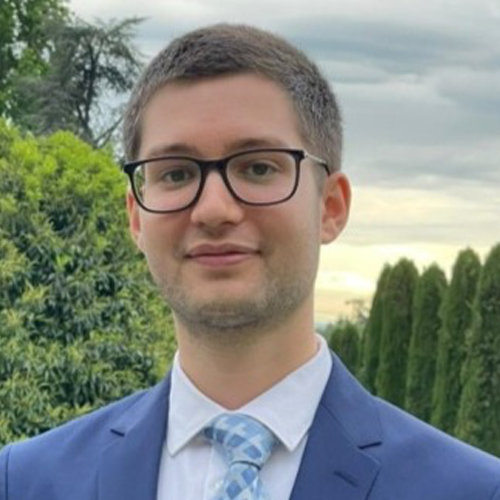
Luca Sironi | Postdoctoral Research Associate, Durham University
Luca Sironi is a Postdoctoral Research Associate in Solid-State Modelling at Durham University, where he is currently involved in the Molecular Solid Solutions (MoSS) project in Prof. Aurora Cruz-Cabeza’s research group. He obtained his PhD from Università degli Studi di Milano (Italy) under the supervision of Prof. Leonardo Lo Presti. During his doctoral studies, he contributed to the development of the MiCMoS software and applied molecular dynamics techniques to study pre-nucleation phenomena in molecular liquids. He also complemented his computational work with crystallisation experiments to determine nucleation rates.
15:15-15:35 Advancing Industrial Crystallisation Through Digital Tools, Automation, and Modelling
This session explores how automation, advanced in-situ analytics and mechanistic modelling can improve crystallisation process understanding and control in agrochemical and pharmaceutical manufacturing. Focusing on increasingly complex multicomponent systems, the work addresses challenges such as multiple solid phases, impurities, liquid-liquid phase separation, polymorphic transitions and particle size control. The presentation highlights automated crystallisation platforms with feedback control, real-time IR monitoring, solvent-dependent optimisation and advanced microscopy for systems where conventional probes are limited. Overall, the session shows how integrated digital and experimental tools can support more reliable scale-up and robust manufacturing performance for complex crystallisation processes.
Meet the Speaker:

Ryan Leeming | Senior Particle Scientist, Syngenta
Ryan is a Senior Particle Scientist at Syngenta’s Jealott’s Hill research centre, with expertise in crystallisation, particle size analysis and lab automation. His role is specialised in the use of automation and digital tools, alongside robust knowledge of process analytical technology (PAT) and off-line particle analysis techniques, to optimise crystallisation processes through better understanding of their fundamental kinetics. Ryan has 7 years of experience in the field of crystallisation, beginning with his PhD at the University of Leeds that was focused on population balance modelling (PBM) and model predictive control (MPC) of industrial crystallisation processes.
-
Enjoy coffee and dedicated time for networking with other attendees.
-
Session Title: Equity, Diversity, Inclusion and Accessibility in the BACG Community
This is an interactive session where we will explore the diversity of the BACG community. The current status in Chemical Engineering and Chemistry within academia will first be presented, highlighting the diversity in gender, race and neurodiversity. You will discuss together what the current barriers are to improving our equity, diversity, inclusion and accessibility within our community. Most importantly we will then discuss what actions we can take to make positive steps to improve our EDIA. As a whole community we will prioritise these actions.
During our interactive discussions we will consider the following impacts on the themes: Visibility of self-identifying characteristics within the community; Unconscious gatekeeping; Accessibility – verbal, cultural, events format and support provision, digital accessibility; Free – any other theme.
Impacts:
Nucleation
- What helps someone first feel they belong in the crystal-growth community?
Growth conditions
- What are the challenges to developing a diverse BACG community?
Inhibitors
- What are the challenges to keep engaged in the community?
Presented by: Karen Robertson, Isha Bade & Elena Simone
 Karen Robertson: In 2018 Dr Robertson was awarded with an Anne McLaren Research Fellowship at the University of Nottingham where she is now an Assistant Professor. She is known for her work on integrating flow synthesis and flow crystallisation as well as in situ monitoring of crystallisation processes in flow environments; uncovering polymorphic transitions during the flow crystallisation of pharmaceuticals through Raman spectroscopy and powder and single crystal X-ray diffraction. In 2020 she was awarded the younger crystallographer of the year award by the British Crystallographic Association.
 Isha Bade: Isha Bade is a Postdoctoral Research Associate in the Department of Chemical Engineering at Imperial College London, UK. Her research focuses on the crystallisation of both small organic molecules and larger (bio)pharmaceutical compounds, with particular emphasis on therapeutic peptides and their fragments, using advanced seeding strategies. She completed her MEng in Chemical Engineering and her PhD at Imperial College London in 2020 and 2025, respectively. Her doctoral work investigated the post-breakage growth mechanisms in macroscopic single crystals, uncovering insights into the phenomenon of crystal ‘regeneration’. Isha’s contributions have been recognised through multiple awards, including the 2025 Dudley Newitt Award for Experimental Excellence at Imperial College London and the British Association of Crystal Growth (BACG) Young Scientist Award (2025).
 Elena Simone: Associate Professor in Applied Science and Technology, Politecnico di Torino, Italy and BACG Secretary.
 -
BACG Members are invited to join us for our 2026 Annual General Meeting.
-
Join us at the fantastic Manchester Museum for the BACG2026 Conference Dinner.
The evening will also feature the following awards:
- Those for Early Career Researchers who gave Career Talks at BACG2026
- Young Scientist Award
- Lifetime Achievement Award
- Poster Awards
- Crystal in Art Winner
1st July: Main Conference (Day 2)
-
Come along and get registered for BACG2026 ahead of the day. You will need your lanyard to access sessions.
-
Chair: Prof. Thomas Vetter
Crystallisation in the Lab of the Future
The presentation will present an industry co-created approach to exploit industrial digital technologies, automation and model-driven experiments to transform the development velocity of sustainable crystallisation processes. Drawing on work from a portfolio of projects including the EPSRC MediForge Industry 5.0 Medicines Manufacturing Hub, Made Smarter Digital Medicines Manufacturing Centre and EPSRC Centre for Doctoral Training in Cyberphysical Systems for Medicines Development and Manufacturing (CEDAR), the talk will highlight the development of an integrated cyberphysical architecture bringing together workflows, models, autonomous platforms, robotics, optimisation approaches, knowledge graph and domain ontologies, real-time characterisation and process technologies to develop and operate processes more quickly, cost-effectively and sustainably. The importance of considering interfaces with up- and down-stream processes will be highlighted as part of a systems-level approach to drive digital transformation of Chemistry, Manufacturing and Control (CMC) processes via Quality by Digital Design (QbDD) for more sustainable and resilient medicines development and manufacture.
Meet the Speaker:
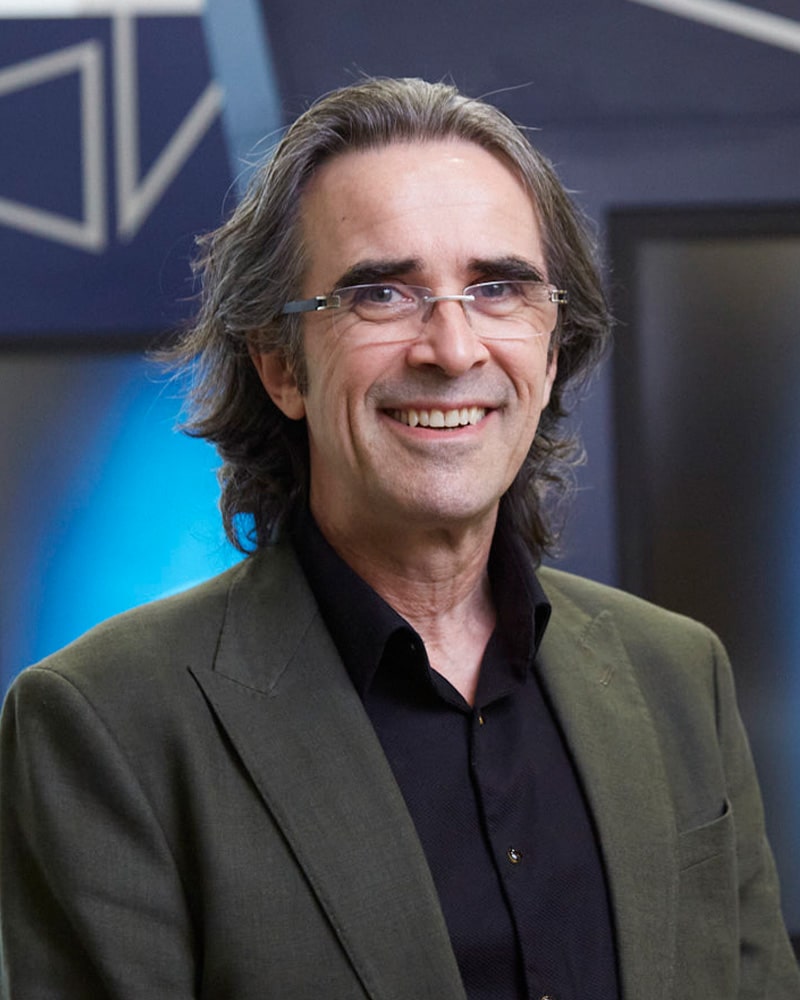
Alastair Florence | Director, CMAC, University Of Strathclyde
Professor Alastair Florence is a Distinguished Professor in Pharmaceutical Sciences at the University of Strathclyde and is Director of CMAC providing leadership across the portfolio, engaging with our key stakeholders and driving the Centre’s vision to transform the development and manufacture of medicines. He works with the centre, academic and industry teams to deliver a vibrant portfolio of research, training, infrastructure and translation programmes that includes the EPSRC MediForge Industry 5.0 Hub, EPSRC Centre for Doctoral Training: Cyberphysical Systems for Medicines Development and Manufacture (CEDAR), Made Smarter Innovation | Digital Medicines Manufacturing Accelerator, Digital CMC CERSI and CMAC’s National Facility and Data Lab.
-
Enjoy coffee and dedicated time for networking with other attendees.
-
Chair: Dr. Karen Robertson
10:15-10:45: How Crystal Surfaces Shape the Behaviour of Molecular Materials
Crystallization does not only produce a crystal structure; it also defines which surfaces are exposed, how particles grow, and how the resulting material behaves. For molecular crystalline solids, small differences in packing, intermolecular interactions, and crystal habit can lead to large differences in performance during processing, storage, and use. This talk will explore how crystallographic information can be used to understand these effects at the molecular and surface level. I will discuss how crystal packing, interaction motifs, facet-specific energetics, surface topology, and predicted interaction patterns can be combined to interpret the behaviour of different solid forms. Rather than treating crystal structures as static endpoints, the focus will be on using them as a basis for understanding material properties. Examples from pharmaceutical and molecular materials will illustrate how structure-derived descriptors can help rationalize differences in stability, transformation pathways, dissolution behaviour, and particle performance. The talk will highlight crystal-surface analysis as a bridge between molecular crystallography, crystallization, and the practical behaviour of crystalline materials.
Meet the Speaker
Eliska Zmeskalova , FZU – Institute of Physics of the Czech Academy of Sciences
 Ing. Eliška Zmeškalová, Ph.D., is a scientific researcher at the Institute of Physics of the Czech Academy of Sciences and at the University of Chemistry and Technology, Prague. She obtained her Ph.D. in Chemical Technology of Pharmaceuticals from UCT Prague in 2016, followed by postdoctoral research at University College Cork, Ireland. Since 2019, she has led the Laboratory of Single-Crystal Diffraction at the Institute of Physics of the Czech Academy of Sciences. Her research focuses on crystallographic and solid-state analysis of pharmaceutical molecular materials, especially structure–property relationships in polymorphs, salts, solvates, and cocrystals. She collaborates extensively with the pharmaceutical industry and was awarded the Otto Wichterle Prize in 2025.
10:45-11:05: Dehydration of pharmaceutical hydrates
Active pharmaceutical ingredients (APIs) often encounter water/moisture during various stages of pharmaceutical manufacture and formulation, resulting in the formation of hydrate. In fact, crystalline hydrates are prevalent and nearly 50% of drug substances that can form hydrates are utilized in their hydrate forms. However, the manufacture of hydrate crystals presents its own challenge. It is crucial to avoid the loss of bound moisture when the crystals are exposed to heat, low humidity conditions or high-energy mechanical processing, e.g. during drying, tableting and storage. Therefore, a good understanding of the dehydration kinetics is required for the control of manufacturing process and storage conditions to maintain the integrity of the hydrate crystals. In this work, we investigated the dehydration of two hydrates, carbamazepine dihydrate (CBZD) and theophylline monohydrate (TPh) at different humidity and temperature conditions. The dehydration of CBZD mainly follows Avarami-Erofe’ev 2D or 3D nucleation and growth model but shifts to a diffusion-controlled mechanism at high humidity. CBZD consistently transforms to Form III when dehydration is diffusion controlled. However, when dehydration is nucleation-controlled, the polymorphic outcome depends on the specific dehydration conditions. Different dehydration pathways and mechanisms were proposed for CBZD based on the findings. TPh dehydration also follows predominantly the Avrami-Erofe’ev 2D or 3D nucleation and growth model. However, an exception was observed at 25 °C and 0% RH, where the data fit best to the F1 model (first-order kinetics). This behavior is likely due to the formation of a metastable anhydrate. PXRD analysis of TPh crystals stored at 0% RH and 25 °C confirmed the initial formation of this metastable form, which subsequently transformed into the stable anhydrate (Form II). However, the metastable anhydrate converted fully to stable Form II after 4 months of storage.
Meet the Speaker
Ann (Pui Shan) Chow , Institute of Sustainability for Chemicals, Energy and Environment, Agency for Science, Technology and Research, Singapore
 Dr Ann Chow has over 25 years of research experience in crystallization science, modelling and control, formulation science and technology. She is currently the group leader of Sustainable Product Development Group and deputy director of Specialty Chemicals & Bio-Technologies Division in the Institute of Sustainability for Chemicals, Energy and Environment. Her research interests include crystallization fundamentals, crystallization process development, control and monitoring of crystallization process using process analytical technology (PAT) tools, and formulation development. She has led multi-disciplinary research projects in numerous collaborations with industry (e.g. GSK, MSD, Syngenta, AstraZeneca, P&G, Nestle) and overseas universities, including University of Illinois Urbana- Champaign (UIUC), Imperial College London and University of Manchester. She has published more than 130 journal papers and several books and book chapters.
11:05-11:25: Chord Length Distribution Inversion Strategy in Crystallization Monitoring Using Adaptive Tikhonov Regularization
Inline particle characterization via Focused Beam Reflectance Measurement (FBRM) generates chord length distributions (CLD) that serve as the primary real-time observable in crystallization process monitoring. Converting CLD data to crystal size distributions (CSD), which is eventually required by population balance model (PBM) for mechanistic prediction and control, constitutes an ill-posed inverse problem. Mathematically, this inversion is expressed as minimizing ∥Ax-b∥^2+λ∥Lx∥^2, where A is the transformation matrix, x is the model parameter to be estimated, b is the observed noisy data, L is the weight matrix. The regularization parameter λ critically governs the trade-off between fidelity to measured CLD data and solution smoothness. Although Tikhonov regularization has been used to stabilize CLD inversion, the selection of λ remains largely heuristic in crystallization applications, while standard strategies such as the Morozov Discrepancy Principle, the L-curve criterion, and Generalized Cross-Validation have mostly been discussed in the broader inverse-problems literature rather than tailored to FBRM-based monitoring. This study presents an adaptive regularization parameter selection strategies tailored to the CLD inversion problem in crystallization. Three candidate selection frameworks are systematically developed and compared: the Morozov Discrepancy Principle, the L-curve criterion, and Generalized Cross-Validation. The sensitivity of each method to FBRM measurement noise level, particle size distribution shape, and crystal aspect ratio is analyzed through simulation studies using CLD datasets. Ill-conditioning of the transformation matrix A is quantified through condition number analysis across particle size ranges relevant to crystallization. In addition, an online noise-estimation scheme tailored to provide CLD measurements is proposed and coupled with Morozov-based parameter selection to support real-time implementation. The study aims to identify a robust inversion strategy for stable CSD reconstruction under realistic measurement uncertainty and to provide a foundation for subsequent integration with population balance model-based monitoring and control.
Meet the Speaker
Abhishe Dutta , National Institute of Technology Calicut, Kerala, India
 Abhishek Dutta is an Associate Professor of Chemical Engineering at İzmir Institute of Technology, Türkiye. His work combines process modelling, population balance modelling, CFD and Deep Learning techniques to address challenges in sustainable process engineering. He is particularly interested in the interface of crystallization science, process modelling, and artificial intelligence for improved understanding and control of crystal formation processes.
11:25-11:45: Simultaneous Polymorph Control and Uniform Spherulite Growth for Enhanced Particle Properties of Cefuroxime Sodium
Cefuroxime Sodium (CS) is a low-toxicity and highly effective antibiotic drug with a wide application market. Its polymorph form β has the advantage of thermal stability and resistance to degradation. However, poor powder properties cause filtration difficulties, severe electrostatic phenomena and difficulties in automated dispensing, which limit its application. In order to improve the powder properties and stability of CS from the source, we used a one-step crystallization method to prepare CS (form β) with high sphericity and uniform particle size. The spherulites of form β of CS (β spherulites) have excellent powder properties, with high flowability (32.8◦), good sphericity (90.2%), low C.V. (45.6%), and adjustable particle size distribution. Thanks to improved powder properties, the β spherulites exhibits 40% higher thermal stability and maximum 41% faster dissolution rate in the compatible solutions, compared to commercially available products, which implies the β spherulites is more competitive in powder formulations.
Meet the Speaker
Jingwei Cai , Tianjin University
 Jingwei Cai is a PhD Student at the National Engineering Research Center of Industry Crystallization Technology, Tianjin University. His research interests mainly include pharmaceutical crystallization, crystal engineering and polymorph control. His recent work focuses on cefuroxime sodium, particularly the simultaneous control of polymorphic transformation and uniform spherulite growth to enhance pharmaceutical particle properties. At BACG 2026, he will present his work entitled “Simultaneous Polymorph Control and Uniform Spherulite Growth for Enhanced Particle Properties of Cefuroxime Sodium.”
 -
Chair: Dr. Tariq Mahmud
10:15-10:45: Molecules interacting before nucleation – melt, solution and water
Molecular interactions in disordered phases such as the melt or solution play a decisive role in the formation of crystal nuclei, yet their influence on the emergence of specific crystal forms remains poorly understood. There is therefore increasing interest in characterising the molecular-level interactions present before crystallisation,1, 2 particularly in solutions where transient structural motifs may guide nucleation pathways.
In this talk, I will present our recent results on the model compound paracetamol. We have used neutron total scattering and tethered Monte Carlo simulations to examine how structure and molecular interactions differ between the melt and solution states. To date, investigations of melts and organic glasses have largely focused on molecular relaxation, while studies of the structure of these disordered phases remain rare. Our results show that, while differences in strong directional interactions such as hydrogen bonds are subtle, the presence of solvent molecules facilitates the rearrangement of paracetamol into geometries favourable for strong hydrogen bonding. In the melt, by contrast, weaker interactions dominate, and molecular alignment guides crystal nucleation.
Furthermore, I will discuss the impact of trace water on solution aggregation, showing how small amounts of this impurity can alter intermolecular association and potentially influence the structural motifs available during nucleation. Using a range of spectroscopic techniques, we identified distinct interaction types between paracetamol and water with varying lifetimes, highlighting the need for a multi-technique approach to fully understand molecular interactions in disordered phases.
By comparing molecular arrangements across disordered phases, this work provides insight into how subtle changes in local structure and solvation environment can contribute to crystal nucleation and influence the emerging crystal form.
Meet the Speaker
Katharina Edkins , University of Strathclyde
 Professor Kathi Edkins is trained Pharmacist and has experience in pharmaceutical solid state, crystallography and neutron scattering. She has started her independent research group at Durham University in 2014 before moving to Belfast and Manchester. Since 2024, she is Professor in Molecular Pharmaceutics at the University of Strathclyde in Glasgow, where she leads a group of 10. Her research focusses on supramolecular recognition in disordered materials with a main interest in the factors leading to crystallisation of specific crystal forms and how to control these. In addition, she researches diffusion in soft materials such as gels with the goal to generate novel drug delivery platforms with tailored release kinetics. For her research on pharmaceutical hydrates, she has been awarded the BTM Willis Prize for early career researchers in neutron scattering in 2016, and she holds an ERC consolidator award since 2024.
10:45-11:05: From Blobs to Rods: A Study of Liquid Phase Separation
Liquid–liquid phase separation (LLPS), commonly referred to as “oiling,” poses a significant challenge in crystallisation development due to its strong influence on nucleation pathways, crystal growth environments, and final product quality. The formation of oil droplets during cooling or antisolvent addition can lead to undesirable outcomes including altered impurity profiles, agglomeration, morphology changes, and reduced isolated yield through increased deposition. To better understand and mitigate these risks, Pharmaron employs specialised instruments that allow in-situ observation and monitoring of LLPS. High throughput experiments are used to construct LLPS plots, identifying the concentration–temperature regions where oiling occurs. These diagrams guide process optimisation by enabling selection of operating conditions, API loadings, and solvent systems that avoid oiling.
Meet the Speaker
Alice McNelly , Pharmaron
 Alice is a Scientist at Pharmaron Hoddesdon where she is part of the Material Science Team, specialising in Crystallisation Development. Alice’s work involves developing detailed understanding for robust crystallisation design and particle engineering of active pharmaceutical ingredients (APIs) to improve particle properties to aid filtration, flowability and other critical quality attributes. Before joining Pharmaron, Alice gained her MChem in Chemistry from the University of Oxford in 2024, where she spend the final year of her degree completing her master’s project specialising in single crystal X-ray diffraction.
11:05-11:25: From Molecule to Manufacture: Crystallisation Process Development to Deliver Optimal Particles for Downstream Processing
The increasing complexity of active pharmaceutical ingredient (API) molecules in pharmaceutical development presents significant crystallisation challenges, including poor solubility, problematic morphologies, and notably, extremely slow crystal growth kinetics. A rigorous understanding of key process parameters – such as input material quality, supersaturation generation, and seeding strategy – underpins structured crystallisation design that enables control of critical API’s quality attributes. API’s attributes such as polymorphic form, crystal morphology, particle size and powder bulk properties directly influence downstream unit operations and overall drug product performance, reinforcing the need for robust particle engineering processes at the drug substance – drug product interface. Establishing processes that consistently deliver the desired particle properties is therefore essential for large scale manufacturing processes. This presentation will focus on an industrial case study in developing and controlling crystallisation outcomes, highlighting some of the particle engineering challenges faced during process development, and the multi-disciplinary approach and collaboration required to overcome these challenges and deliver API to the patients. The application of particle engineering strategies – including solvent and additive selection, tailored seeding, and complementary methods such as milling and temperature cycling – will be illustrated to show how they enable suitable particle properties for formulation.
Meet the Speaker:

Veronica Kras | Industrial Scientist, AstraZeneca
Dr Veronica Kras completed her MEng in Chemical Engineering and later her PhD at the University of Manchester, with her doctoral studies carried out through an iCASE collaboration with AstraZeneca. Her PhD research focused on molecular solid solutions and their role in the thermodynamic stabilisation of metastable polymorphs. During this time, she also completed a six-month placement at AstraZeneca. She joined AstraZeneca full-time in 2023 and currently works in Chemical Development on late-stage and commercial compounds.
11:25-11:45: Simple yet effective: introducing robustness to emulsion crystallization
Emulsion crystallization has gained increasing attention as a viable strategy for controlling particle size, crystal morphology, and polymorphic form in the production of fine chemicals and pharmaceutical intermediates. By employing dispersed liquid droplets as confined microreactors, the technique provides unique opportunities for process control; however, its inherent complexity also poses substantial challenges for both process development and scale up. This work highlights the key factors influencing emulsion crystallization performance and presents experimental observations that illustrate the sensitivity of such systems. In our case, the objective of the crystallization was straightforward: to obtain the target compound with high purity and high yield. Achieving these attributes required the use of an unconventional solvent system comprising hexane, methanol, and water—where hexane contributed to product purity, while the methanol–water mixture enhanced yield. Despite the seemingly simple aim, the resulting process exhibited the characteristic difficulties of an emulsion crystallization. During scale up, the parameters most difficult to control—agitation and heat transfer—were identified as critical, prompting a revision of the process from an engineering perspective. Experimental work began with constructing the phase diagram of the four component system, followed by a series of iterative trial and error experiments, including several unsuccessful attempts. The inability to observe meaningful changes within the evolving emulsion or suspension, coupled with an unstable mixing profile in the reactor—even at laboratory scale—indicated the need for an alternative approach. Ultimately, a hybrid strategy was adopted in which classical crystallization was combined with introducing the emulsion only at the suspension stage. This simplified process configuration significantly improved predictability, reproducibility, and robustness—parameters of central importance for industrial implementation.
Meet the Speaker
Zsófia Szalay , Gedeon Richter Plc
 Zsófia Szalay obtained PhD at Eotvos Lorand University and joined the Polymorphism Research Department of Gedeon Richter in 2009. Since 2023 she has been leading the same team, developing solid state analytical methods for drug substances, optimizing crystallization processes .
 -
Chair: Dr. Leif Thore-Deck
10:15-10:45: Mechanochemistry: new forces of molecular solid state transformations
In this session we will explore the use of mechanochemical technologies to drive and control crystallisation. Particular focus will be given to our emerging understanding of the fundamental behaviours of solid form transformations under mechanochemical conditions, leveraging a combination of time-resolved in situ monitoring methods and simulation. We will discuss implications and opportunities of mechanochemistry for both multi-component crystallisation and polymorph control.
Meet the Speaker
Adam Michalchuk | Assistant Professor of Physical Chemistry, Univeresity of Birmingham
 Following doctoral studies at the University of Edinburgh and Novosibirsk State University, Adam moved to the German Federal Insitute for Materials Research and Testing (BAM), first as a postdoctoral fellow then as a senior scientist. In 2022 Adam took up his current role at the University of Birmingham, maintaining close ties to the BAM as a Wilhelm-Ostwald Fellow. Adam’s interdisciplinary research spans computational, theoretical, and experimental aspects of solid-state reactivity, with particular focus on understanding the impact of mechanical force on solid state transformations. He has co-authored >80 scientific articles in this space, with his research recognised by numerous international awards, including the 2025 BTM Willis Prize and the 2022 ISIS Neutron and Muon Source Impact Award.
10:45-11:05: A General Reactive Molecular Dynamics Framework for Reactive Crystallization
This session presents a reactive molecular dynamics framework for modelling crystallisation and precipitation processes where chemical reaction, diffusion, nucleation and growth occur together. Using palladium nanoparticle formation as a case study, the work shows how the model captures the reduction of Pd²⁺ ions into Pd⁰ atoms and their subsequent assembly into nanoscale particles. By varying reaction and equilibrium parameters, the study examines how particle size, morphology and growth mechanisms are influenced by competing processes such as coalescence and Ostwald ripening. Overall, the session highlights a transferable simulation approach for understanding and controlling particle formation in chemically evolving systems.
Meet the Speaker
Matteo Paloni, UCL
 Matteo Paloni is a chemical engineer currently working as a Postdoctoral Research Associate in the Molecular Modelling and Engineering (MME) group of Prof. Matteo Salvalaglio at University College London (UCL). With extensive experience in atomistic and coarse-grained molecular dynamics (MD) simulations, his current research focuses on the development of computational strategies for high-throughput simulations and enhanced sampling methods. He is particularly interested in applying these techniques to study the fundamental mechanisms of aggregating and nucleating systems.
11:05-11:25: Mechanistic understanding of the formation of Squaric acid based functional organic multi component materials
Multicomponent organic co-crystals are increasingly important in pharmaceuticals, optoelectronics and functional materials, yet the pathways governing their formation remain poorly understood, limiting their predictive design. We present an ongoing work that employs a correlative approach, combining in situ X-ray pair distribution function (XPDF) measurements with Raman spectroscopy, to probe molecular interactions and early-stage assembly in squaric acid-based systems with different organic coformers. Using time-resolved XPDF measurements of the solution state, we investigate short and medium-range hydrogen bonded motifs that may exist prior to the development of long-range order, which can play a key role in revealing how pre-nucleation structuring governs the selection and assembly of co-crystals. The evolution of how these motifs vary with stoichiometric ratios is also studied, in order to understand whether selective coformer incorporation governs early-stage molecular organisation. Finally, Raman spectroscopy is used to track the evolution of molecular orientations and vibrational signatures associated with proton transfer and hydrogen-bond formation, providing complementary insight into solution-phase dynamics. Thus, by correlating these two techniques, we aim to gain insight into how solution-state interactions potentially guide the selection and assembly of different co-crystal forms. This work will also outline key methodological considerations when combining XPDF and Raman data for mechanistic analysis. Thus, we establish a broader framework for gaining mechanistic insight into the formation of multicomponent organic materials.
Meet the Speaker
Gayathri Manoj, University of Leeds/ Diamond Light Source
 Gayathri is a second year PhD student at the University of Leeds, working in collaboration with Diamond Light Source. Her research focuses on the crystallisation and structural evolution of molecular cocrystal systems.She uses synchrotron based X-ray techniques, including total scattering and powder diffraction, alongside Raman spectroscopy to study in situ crystallisation behaviour and associated molecular changes. Her work is aimed at developing integrated experimental and data analysis approaches to better understand crystallisation mechanisms and structure formation in multicomponent systems.
11:25-11:45: The effect of protecting groups on peptide crystallisation: a case study on alanine homopeptides
Nowadays, over 85% of therapeutic peptides are manufactured using solid-phase peptide synthesis, which involves an excess amount of protected amino acids to enable correct attachment. Unreacted protected fragments are recognised as by-products; therefore, the importance of their physicochemical properties was overlooked. Consequently, the critical knowledge gap precludes the rational design of downstream crystallisation. This work investigated the solubility and metastable zone width (MSZW) of alanine homopeptides with different N-terminal protecting groups (PGs: Boc, Cbz, and Fmoc) to understand how these PGs affect the thermodynamic and kinetic properties. The aqueous solubility of alanine homopeptides with Boc and Cbz protection from 278.15 K to 313.15 K was determined gravimetrically. N-terminal protection reduced solubility to below 10% of unprotected counterparts, confirming that hydrophobic protecting groups substantially suppress aqueous dissolution. Conversely, the solubility of dialanine was enhanced by 1.72-fold relative to alanine at 298.15 K, which was attributed to differences in crystal packing and melting properties. The retrograde solubility trend was first observed in trialanine and tetraalanine and was discussed in terms of helix propensity and intramolecular hydrogen bonding. Subsequent MSZW experiments were conducted at 0.1 K/min and 300 rpm in 30 mL aqueous systems for unprotected, Boc- and Cbz-protected alanine and dialanine, whilst a methanol-water binary solvent was employed for Fmoc-protected derivatives to improve solubility. The N-terminal residues exhibited a great influence on the MSZW. The most soluble dialanine exhibited an MSZW 51% broader than that of alanine, plausibly due to the elevated viscosity. Boc-alanine yielded an unmeasurably wide MSZW (>35 K), whereas Cbz-alanine demonstrated a 28.9 % narrower MSZW than alanine due to the strong π-π interaction between the aromatic rings. To conclude, PGs have a pronounced impact on the thermodynamic properties and nucleation kinetics. This fundamental study is essential for providing insights into the upstream selection of PGs and downstream crystallisation.
Meet the Speaker
Jianing Li, Imperial College London
 Jianing is a 3rd-year PhD student from the Department of Chemical Engineering, Imperial College London. Having completed her undergraduate studies within the same department, she brings continuity and depth to her research pursuits. Her PhD is supervised by Prof. Jerry Heng, investigating the effect of protecting groups on the crystallisation of alanine homopeptides. Her work integrates experimental design, single-crystal growth, characterisation (PXRD, DSC/TGA, and HPLC), and molecular dynamics simulation to elucidate how protecting groups influence the thermodynamic properties, nucleation kinetics, and crystal packing of alanine-based short peptides. This fundamental study is essential for providing insights into the upstream selection of protecting groups and the downstream optimisation of purification.
-
Chair: Prof. Jan Sefcik
The 2026 BACG Young Scientist will be announced during this session, recognising outstanding early-career contributions to crystal growth research and its impact on the field.
-
Enjoy lunch and time for networking with other attendees after the main BACG2026 sessions have ended.
Workshops will take place afterwards at 13.00
Afternoon Workshops
-
Workshop: Advanced Crystallisation: Solubility, Particle Engineering, and Process Development
- Learn about real-world crystallisation case studies from renowned industry and academic experts at Pharmaron, Veranova, Syngenta, AstraZeneca and more
- Take part in interactive scientific and technical discussions
- Connect with peers working in crystallisation, formulation, and process development over a relaxed coffee & cake break, with a few extras along the way
This workshop is delivered by Technobis following the BACG2026 main programme.

-
Computational strategies for crystal engineering with CrystoGen – An introductory workshop
Join the CrystoGen team for an interactive hands-on workshop exploring crystal growth simulation, morphology prediction, and solvent screening using our CrystoGen software.
Designed for scientists from academia and industry, this practical session will guide participants through the complete CrystoGen workflow, from understanding the underlying crystal growth theory through to running simulations and analysing morphology predictions.
Attendees will gain experience using CrystoGen and CG Aspects to investigate how crystal structures, interaction energies, driving force, and solvent environments influence crystal morphology and growth behaviour.
This workshop is delivered by CrystoGen following the BACG2026 main programme.
-
Enjoy coffee and dedicated time for networking with other attendees.
-
Workshop: Advanced Crystallisation: Solubility, Particle Engineering, and Process Development
- Learn about real-world crystallisation case studies from renowned industry and academic experts at Pharmaron, Veranova, Syngenta, AstraZeneca and more
- Take part in interactive scientific and technical discussions
- Connect with peers working in crystallisation, formulation, and process development over a relaxed coffee & cake break, with a few extras along the way
This workshop is delivered by Technobis following the BACG2026 main programme.
-
Computational strategies for crystal engineering with CrystoGen – An introductory workshop
Join the CrystoGen team for an interactive hands-on workshop exploring crystal growth simulation, morphology prediction, and solvent screening using our CrystoGen software.
Designed for scientists from academia and industry, this practical session will guide participants through the complete CrystoGen workflow, from understanding the underlying crystal growth theory through to running simulations and analysing morphology predictions.
Attendees will gain experience using CrystoGen and CG Aspects to investigate how crystal structures, interaction energies, driving force, and solvent environments influence crystal morphology and growth behaviour.
This workshop is delivered by CrystoGen following the BACG2026 main programme.